
Introduction
Poaching an egg is a culinary skill that can elevate your breakfast game, bringing a touch of elegance to your morning routine. Whether you’re a busy professional or a homemade food enthusiast, mastering this technique is not only rewarding but also surprisingly simple. In just a matter of minutes, you can achieve perfectly poached eggs that are tender, creamy, and bursting with flavor.
Many people shy away from poaching eggs, fearing the process might be too complicated. However, with a few key ingredients and the right approach, you’ll soon find that poaching eggs can be both delightful and stress-free. The secret lies in using fresh eggs, which yield the best results, and the addition of vinegar, which helps the egg whites to set quickly.
Imagine starting your day with a beautifully poached egg atop a slice of avocado toast or nestled in a warm bowl of ramen. Not only do poached eggs enhance the visual appeal of your dishes, but they also provide a nutritious boost, packed with protein and essential nutrients. So, let’s dive into the simple steps to poach an egg perfectly every time, ensuring you can impress yourself and others with this timeless cooking technique.
Remember, practice makes perfect, so don’t hesitate to try it multiple times until you find your rhythm. Soon enough, you’ll be able to master this essential kitchen skill and enjoy the delicious rewards it brings.
Key Ingredients
Fresh Eggs
2 fresh eggs: The star of this dish, fresh eggs are crucial for achieving the perfect poached texture. Their firm whites and rich yolks create a delightful experience when cooked.
Water
Water: Enough to fill a saucepan. The base for poaching, water needs to be at a simmer to ensure the eggs cook evenly and gently, allowing the whites to become tender without becoming rubbery.
White Vinegar
1 tablespoon white vinegar: This ingredient plays a vital role in poaching by helping the egg whites to coagulate quickly. The acidity of the vinegar ensures that the eggs hold their shape and results in a beautifully poached egg every time.
Poaching eggs might seem challenging, but with these key ingredients and the right technique, you’ll be on your way to creating delicious, creamy poached eggs that can elevate any meal.

Why You’ll Love This Recipe
Poaching an egg is a skill that can transform your meals, bringing both elegance and nutrition to your breakfast table. This simple technique not only produces a tender and creamy egg but also enriches your dishes with flavor and texture.
Imagine the joy of cutting into a perfectly poached egg, watching the golden yolk flow onto a slice of toasted bread or into a warm bowl of soup. It’s a delightful experience that elevates even the simplest of meals. Plus, poached eggs are versatile; they can be enjoyed on salads, with grains, or as a topping for avocado toast, making them a fantastic addition to any meal.
The beauty of this recipe lies in its simplicity and speed. With just three key ingredients and minimal time, you can achieve restaurant-quality poached eggs right in your kitchen. Whether you’re a young professional seeking a quick breakfast or a homemade-food lover looking to impress, mastering how to poach an egg is a game-changer. Once you try it, you’ll wonder how you ever lived without this delightful technique in your culinary repertoire.
Variations
Poached eggs are incredibly versatile and can be adapted to suit various tastes and cuisines. Here are some delightful variations to inspire your next breakfast or brunch.
Poached Eggs with Avocado
For a creamy twist, serve your poached eggs atop smashed avocado on toast. The creaminess of the avocado pairs perfectly with the delicate texture of the egg, creating a satisfying dish that’s both nutritious and filling.
Eggs Benedict
Elevate your poaching skills by creating a classic Eggs Benedict. Top your poached egg with Canadian bacon or smoked salmon on an English muffin, and drizzle with homemade hollandaise sauce. This indulgent breakfast is sure to impress at any brunch gathering.
Spiced Poached Eggs
Add a touch of warmth by infusing your poaching water with spices such as cumin or coriander. This not only adds flavor but also gives your poached eggs a unique twist that can be served with a side of sautéed greens or on a bed of spiced lentils.
Poached Eggs on Salad
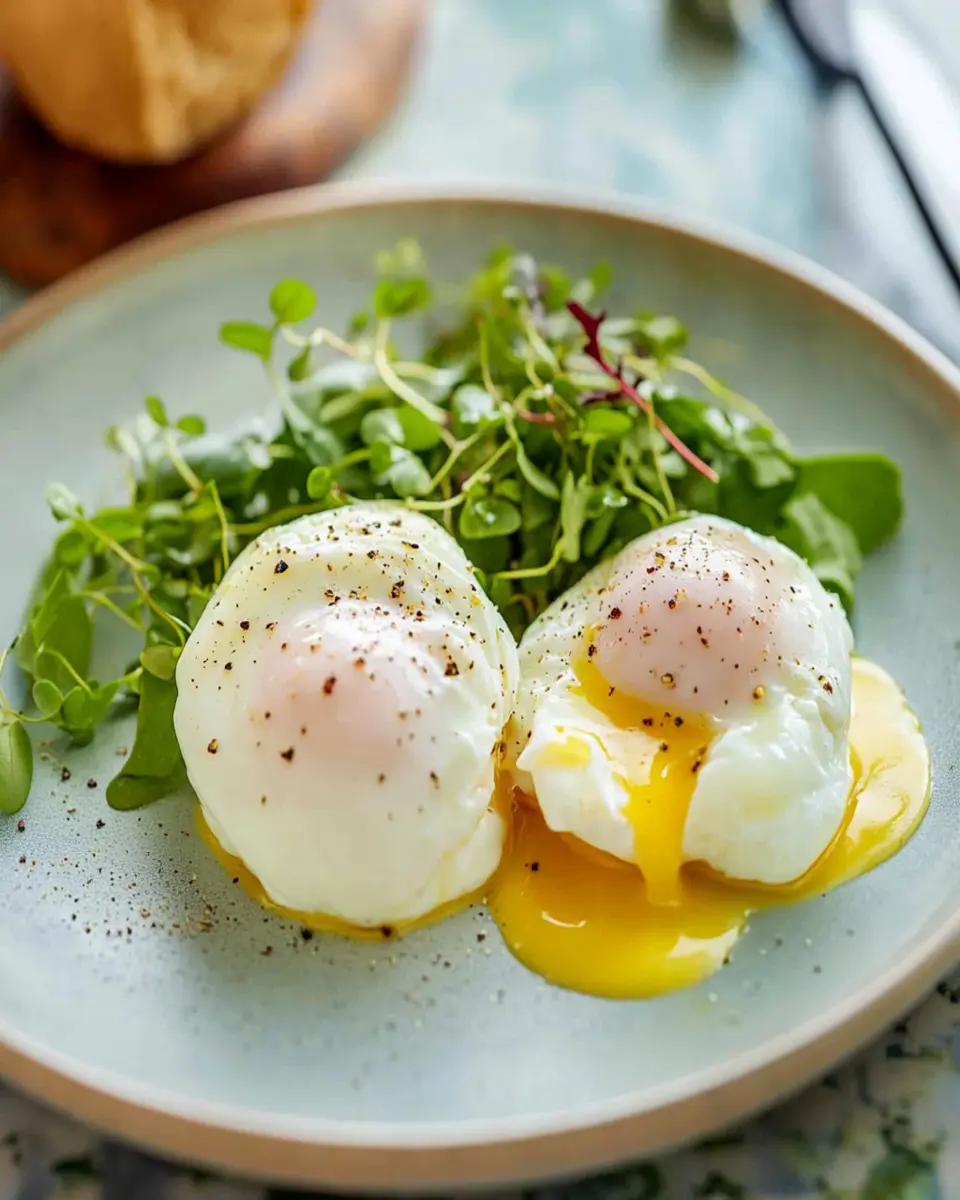
For a lighter option, try poached eggs on a fresh salad. The runny yolk acts as a rich dressing, enhancing the flavors of greens, tomatoes, and other fresh vegetables. It’s a perfect way to enjoy a healthy meal while savoring the delightful taste of poached eggs.
Experimenting with these variations can help you discover new favorite combinations, making poached eggs a staple in your kitchen. The possibilities are endless, and soon you’ll be a poaching pro!
Cooking Tips and Notes
When it comes to poaching eggs, a few key tips can make all the difference in achieving that perfect tender and creamy result. Firstly, always opt for fresh eggs; they hold their shape better and yield a superior texture. The addition of white vinegar to the poaching water is essential as it helps the egg whites to firm up quickly, resulting in a more aesthetically pleasing poach.
Creating the Perfect Whirlpool
Creating a whirlpool in the simmering water is a crucial step that helps to gather the egg whites around the yolk. Stirring the water vigorously before gently sliding the eggs in allows for a more uniform cooking process, minimizing the risk of stray whites dispersing in the water.
Timing is Key
Keep a close eye on your cooking time—poaching should take about 3-4 minutes. This timing ensures that the whites are set while the yolks remain beautifully runny. If you prefer a firmer yolk, simply extend the cooking time by a minute or two.
Serving Suggestions
Once poached, gently lift the eggs out with a slotted spoon and allow them to drain on paper towels. This step removes excess water, preventing a soggy dish. Poached eggs are incredibly versatile; serve them on toast, atop salads, or even in a bowl of ramen for a delightful meal any time of day.
With these tips in mind, you’re well on your way to mastering how to poach an egg like a pro. Remember, practice makes perfect, so don’t hesitate to experiment until you find your ideal method!
Serving Suggestions
Poached eggs are incredibly versatile and can be served in numerous delightful ways that cater to various tastes and occasions. Here are some enticing serving suggestions to inspire your next meal.
Classic Avocado Toast
A favorite among breakfast lovers, serve your perfectly poached egg on a slice of whole-grain toast topped with smashed avocado. Add a sprinkle of salt, pepper, and a squeeze of lemon for a fresh and nutritious start to your day.
Eggs Benedict
Elevate your brunch game with a classic Eggs Benedict. Layer your poached egg over Canadian bacon or smoked salmon on a toasted English muffin, then drizzle with velvety hollandaise sauce. This indulgent dish is sure to impress your guests and satisfy your taste buds.
Poached Egg Salad
For a lighter option, add poached eggs to a mixed greens salad. The runny yolk acts as a delicious dressing, enhancing the flavors of your vegetables. Toss in some cherry tomatoes, cucumbers, and a light vinaigrette for a refreshing and healthy meal.
Breakfast Bowl
Create a hearty breakfast bowl by placing your poached egg over a bed of quinoa or brown rice, topped with sautéed spinach and roasted cherry tomatoes. This combination not only looks beautiful but also provides a balanced meal packed with nutrients.
Spicy Poached Eggs
For those who enjoy a kick, consider serving your poached eggs on a bed of spicy roasted vegetables or with a drizzle of sriracha. This adds an exciting flavor profile that will make your breakfast or brunch stand out.
These serving suggestions highlight the versatility of poached eggs, making them suitable for any meal throughout the day. Whether you prefer something classic or adventurous, there’s a poached egg dish for everyone!

Time Breakdown
Preparation
Spend about 5 minutes gathering your ingredients and getting everything ready for poaching. This includes filling your saucepan with water and adding vinegar.
Cooking
The cooking time is approximately 5 minutes. Keep an eye on your eggs to ensure they are cooked to your liking—3-4 minutes will yield runny yolks, while a bit longer will create firmer yolks.
Total
In total, you’ll need just 10 minutes from start to finish to enjoy perfectly poached eggs. This quick and easy method is perfect for busy mornings or when you want a nutritious meal without the wait!
Nutritional Facts
Poached eggs are not just delicious; they are also packed with nutrients that contribute to a balanced diet. Each egg contains approximately 70 calories, making them a low-calorie option for any meal. They are rich in protein, providing about 6 grams per egg, which is essential for muscle repair and growth.
In addition to being a great protein source, poached eggs offer healthy fats, with about 5 grams of total fat, including 1.5 grams of saturated fat and 3 grams of unsaturated fat. They also have 50 mg of sodium, which is relatively low, and contain no carbohydrates, making them a suitable choice for low-carb diets.
Eggs are known for their high cholesterol content, with each egg containing around 186 mg. However, recent studies suggest that dietary cholesterol has a minimal impact on blood cholesterol levels for most people. Therefore, enjoying poached eggs in moderation can be part of a healthy, balanced diet. With all these benefits, learning how to poach an egg is a skill worth mastering!
FAQ (based on “People Also Ask” section)
What is the best way to poach an egg?
The best way to poach an egg involves using fresh eggs, adding vinegar to the simmering water, and creating a gentle whirlpool before adding the eggs. This technique ensures the whites wrap around the yolk, resulting in a perfectly poached egg.
How long should you poach an egg?
To achieve the ideal consistency, poach your eggs for about 3-4 minutes. This timing allows the whites to set while keeping the yolks runny and creamy, perfect for topping on toast or salads.
Can you poach multiple eggs at once?
Yes, you can poach multiple eggs at once, but it’s crucial to use a larger pot to prevent overcrowding. Make sure to adjust the cooking time slightly, as adding more eggs may require an extra minute or two.
What should I do if my poached eggs break?
If your poached eggs break while cooking, don’t panic! You can still salvage them by gently scooping the broken egg into a bowl and using it in a scramble or as part of a dish where appearance isn’t as critical.
Conclusion
Poaching an egg is a simple yet rewarding culinary skill that can enhance any meal. With just a few ingredients and a little practice, you can achieve that perfect tender and creamy texture that makes poached eggs a favorite for breakfast or brunch. Not only are they delicious, but poached eggs are also nutritious, offering a good source of protein and healthy fats.
By mastering the technique of how to poach an egg, you open up a world of culinary possibilities. From classic avocado toast topped with a poached egg to elegant Eggs Benedict, the options are endless. So, gather your ingredients and try your hand at poaching eggs today! You’ll impress your friends and family with your newfound skill. Don’t forget to save and share this recipe, and feel free to comment on your poaching experiences!
Print
How To Poach An Egg
- Total Time: 10 minutes
- Yield: 2 servings 1x
- Diet: Gluten-Free
Description
Learn the perfect technique for poaching eggs to achieve a tender and creamy result every time.
Ingredients
- 2 fresh eggs
- Water enough to fill a saucepan
- 1 tablespoon white vinegar
Instructions
- Fill a saucepan with water and add vinegar, then bring it to a simmer.
- Crack the eggs into separate bowls.
- Stir the water to create a whirlpool and gently slide the eggs into the center.
- Cook for about 3-4 minutes, until the whites are set but yolks remain runny.
- Use a slotted spoon to remove the eggs and drain on paper towels.
Notes
- For best results, use fresh eggs.
- Adding vinegar helps the egg whites to firm up more quickly.
- You can poach one or multiple eggs at a time, adjusting your pot size accordingly.
- Prep Time: 5 minutes
- Cook Time: 5 minutes
- Category: Breakfast
- Method: Poaching
- Cuisine: American
Nutrition
- Serving Size: 1 egg
- Calories: 70
- Sugar: 0g
- Sodium: 50mg
- Fat: 5g
- Saturated Fat: 1.5g
- Unsaturated Fat: 3g
- Trans Fat: 0g
- Carbohydrates: 1g
- Fiber: 0g
- Protein: 6g
- Cholesterol: 186mg