
Introduction to Sautéed Cabbage
Sautéed cabbage is a delightful side dish that brings out the natural sweetness and tenderness of this humble vegetable. Perfect for young professionals who appreciate homemade meals but may be short on time, this recipe takes just 25 minutes from start to finish. Whether you’re looking for a quick meal to accompany your favorite protein or a light dish to enjoy on its own, sautéed cabbage fits the bill beautifully.
The Beauty of Sautéed Cabbage
Why sautéed cabbage, you may ask? This dish is not only easy to make, but it also requires minimal ingredients, making it an accessible option for anyone. With just a head of cabbage, a splash of olive oil, and a few seasonings, you can create a flavorful dish that complements any meal. The magic lies in the sautéing process, which transforms the cabbage into a tender, caramelized delight that is both satisfying and nutritious.
A Versatile Side
Sautéed cabbage is incredibly versatile; it can be served warm or at room temperature, making it suitable for any occasion. You can even customize it by adding ingredients like garlic or onion for extra flavor, allowing you to make it your own. This adaptability and the delicious taste make sautéed cabbage a must-try for anyone who loves to cook at home. So, grab your ingredients and get ready to enjoy this quick and delicious side dish!
Key Ingredients
Cabbage (1 head)
The star of this dish, green cabbage is packed with vitamins and minerals. Its crisp texture softens beautifully when sautéed, resulting in a tender, flavorful side.
Olive Oil (2 tablespoons)
This healthy fat is essential for sautéing, creating a lovely base that enhances the cabbage’s natural sweetness while allowing for even cooking.
Salt (1 teaspoon)
Salt is crucial for bringing out the flavors in the cabbage, making it taste vibrant and fresh.
Black Pepper (1/2 teaspoon)
A dash of black pepper adds a subtle hint of spice, complementing the cabbage and making the dish more complex.
Apple Cider Vinegar (1 tablespoon, optional)
When drizzled on top, apple cider vinegar adds a tangy brightness that elevates the overall flavor profile of the sautéed cabbage. This optional ingredient can create a delightful contrast, enhancing the dish further.

Why You’ll Love This Recipe
Sautéed cabbage is a delightful way to incorporate more vegetables into your meals without spending hours in the kitchen. This recipe is not only quick and easy but also packed with flavor, making it a perfect side dish for busy young professionals who love homemade food. In just 25 minutes, you can create a dish that elevates any meal, whether it’s a weeknight dinner or a weekend gathering.
Quick and Simple
One of the best things about sautéed cabbage is how straightforward it is to prepare. With just a handful of ingredients—cabbage, olive oil, salt, and pepper—you can whip up a delicious side that pairs well with virtually any protein. Plus, the cooking process is forgiving; even if you’re new to the kitchen, you’ll find success with this dish.
Flavorful and Nutritious
Not only does sautéed cabbage taste great, but it also offers a wealth of nutritional benefits. Cabbage is rich in vitamins C and K, and it’s low in calories, making it an excellent choice for health-conscious eaters. Adding a drizzle of apple cider vinegar before serving enhances the flavors and adds a delightful tanginess, taking this simple dish to the next level.
In summary, sautéed cabbage is a quick, flavorful, and nutritious side that you’ll want to make again and again. Don’t miss out on this easy recipe that fits perfectly into your busy lifestyle!
Variations
Sautéed cabbage is a wonderfully adaptable dish that can be customized to suit your taste preferences. Whether you’re in the mood for something hearty or light, there are countless variations to explore.
Additions for Flavor
For those who enjoy a bit more depth in their dishes, consider adding garlic or onion while sautéing. These ingredients bring a savory aroma and flavor that complements the cabbage beautifully. You can also toss in some red pepper flakes for a spicy kick or sprinkle in herbs like thyme or oregano for an earthy touch.
Different Cabbage Types
While green cabbage is the classic choice, feel free to experiment with other types like red cabbage or savoy cabbage. Red cabbage not only adds a pop of color but also a slightly sweeter taste, making your sautéed cabbage visually appealing and delicious.
Serving Suggestions
To transform this side into a more substantial dish, serve it over grains like quinoa or brown rice. You can also pair it with proteins such as grilled chicken or tofu for a complete meal. Drizzling with some sesame oil or a squeeze of lemon can further enhance the flavors, making it a delightful addition to your dining table.
In summary, the variations of sautéed cabbage are limited only by your imagination, allowing you to enjoy this simple dish in a multitude of ways.
Cooking Tips and Notes
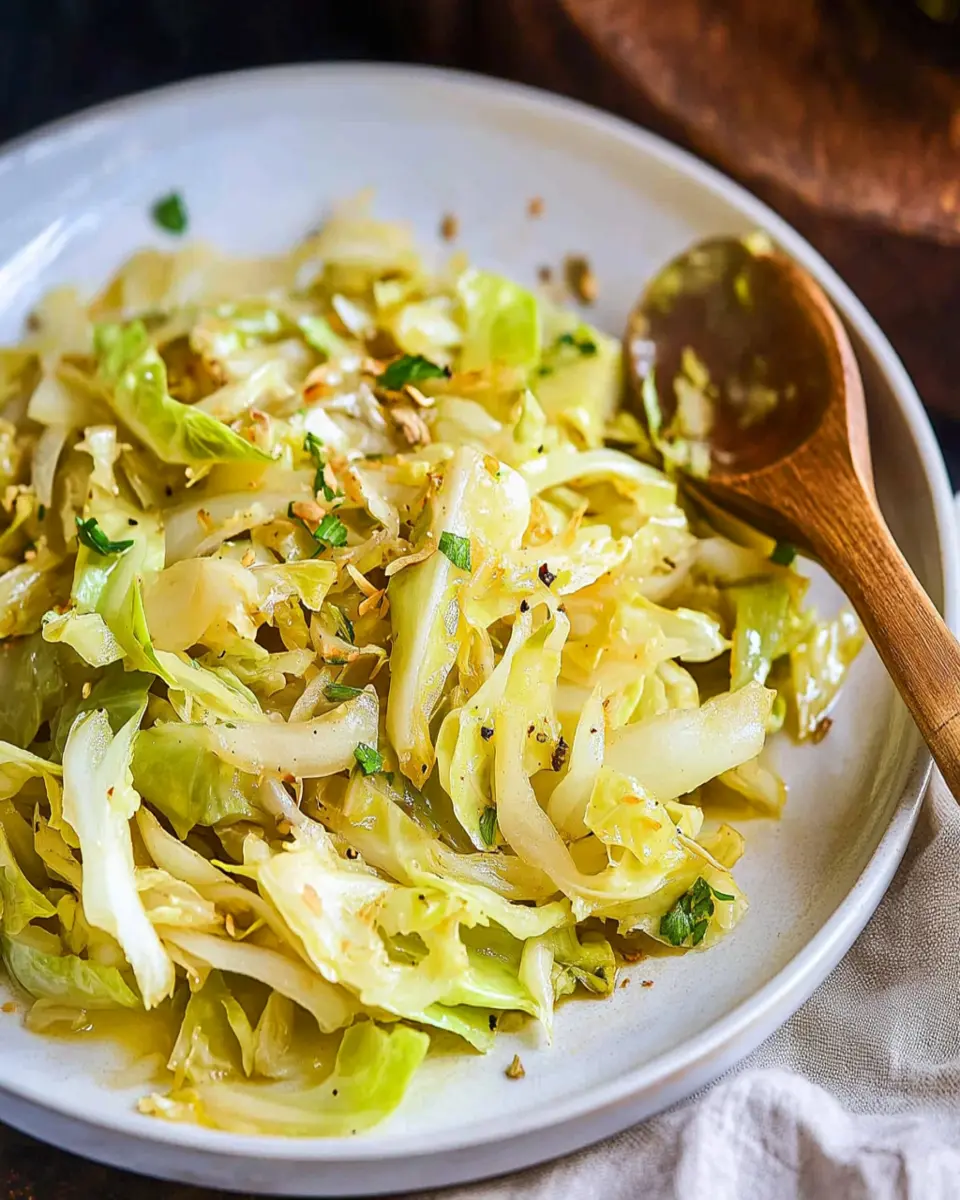
Sautéed cabbage is a versatile dish that can easily be adapted to your taste and cooking style. To ensure your cabbage turns out perfectly every time, here are some helpful tips and notes to keep in mind.
Perfecting Your Technique
When sautéing, use a large skillet to give the cabbage enough room to cook evenly. Start with medium heat to avoid burning the olive oil; this allows the cabbage to soften gradually while developing a rich flavor. Stir frequently to ensure all pieces cook uniformly, and keep an eye on the texture—you want it tender but still slightly crisp.
Enhancing Flavor
For a flavor boost, consider adding minced garlic or diced onions at the beginning of the sautéing process. These aromatics will infuse the oil and cabbage with a delicious depth. If you’re feeling adventurous, a splash of soy sauce or a sprinkle of sesame seeds can also add an exciting twist to your sautéed cabbage.
Serving Suggestions
Sautéed cabbage can be enjoyed warm as a side dish or at room temperature in salads. It pairs beautifully with proteins like grilled chicken or fish, and can even serve as a bed for hearty grains like quinoa or farro. For those who love a bit of tang, don’t forget to drizzle with apple cider vinegar just before serving to elevate the flavors further.
By incorporating these tips and notes, you’ll ensure that your sautéed cabbage is not only delicious but also a delightful addition to any meal.
Serving Suggestions
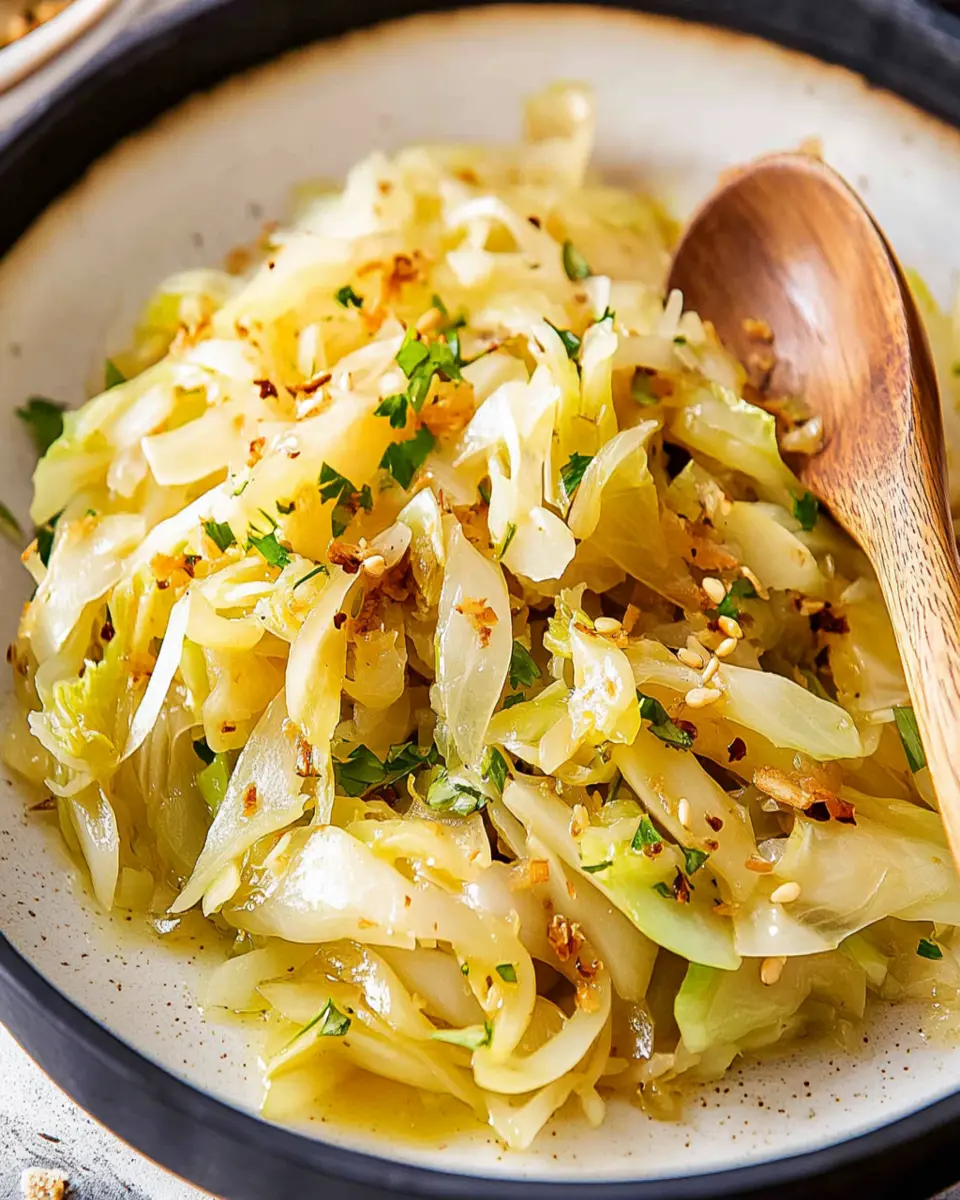
Sautéed cabbage is not just a flavorful side dish; it can also be part of a hearty meal or a refreshing salad. Its versatility makes it a favorite among young professionals looking for quick and nutritious options.
Pairing with Proteins
Sautéed cabbage pairs wonderfully with various proteins, making it a great accompaniment to grilled chicken, steak, or fish. The light texture and flavor of the cabbage complement richer proteins, creating a balanced meal. For a vegetarian option, consider serving it alongside tofu or legumes for a complete dish.
Adding Grains
To make sautéed cabbage a more substantial meal, serve it over grains like quinoa, brown rice, or farro. These grains not only add fiber but also create a filling base that enhances the dish’s nutritional value. Mixing in some herbs or nuts can also elevate the flavor and texture.
Cold Salad Option
For a refreshing twist, consider using sautéed cabbage in a cold salad. Once cooled, mix it with ingredients like shredded carrots, bell peppers, and a tangy vinaigrette. This option is perfect for meal prep, allowing you to enjoy the cabbage as a light lunch or dinner throughout the week.
By exploring these serving suggestions, you can easily turn sautéed cabbage into a versatile dish that fits seamlessly into any meal plan.
Time Breakdown
When preparing sautéed cabbage, understanding the time involved can help you plan better. This dish is quick and straightforward, making it an ideal option for busy evenings.
Preparation
The prep time for sautéed cabbage is just 10 minutes. This includes chopping the cabbage and gathering your ingredients.
Cooking
Cooking the cabbage takes approximately 15 minutes. During this time, you’ll sauté the cabbage until it becomes tender and flavorful.
Total
In total, you can expect the entire process to take about 25 minutes from start to finish. For an efficiency tip, consider chopping the cabbage in advance to save time on busy days.
Nutritional Facts
Sautéed cabbage is not only delicious but also a nutritious addition to your meals. Each serving contains approximately 70 calories, making it a light option for those watching their intake. Packed with 4 grams of fiber and 2 grams of protein, it helps keep you full and satisfied.
Nutritional Breakdown
- Calories: 70
- Sugar: 4 grams
- Sodium: 200 milligrams
- Fat: 5 grams (1 gram saturated, 3 grams unsaturated)
- Carbohydrates: 10 grams (4 grams fiber)
- Cholesterol: 0 milligrams
This dish is also low in fat and cholesterol-free, fitting perfectly into a vegetarian diet. With its vibrant flavor and health benefits, sautéed cabbage is a fantastic choice for young professionals seeking quick and healthy meal options.
FAQ based on “People Also Ask” section
What is sautéed cabbage?
Sautéed cabbage is a simple dish made by cooking chopped cabbage in olive oil until it becomes tender and flavorful. It’s often seasoned with salt and pepper, and can be enhanced with optional ingredients like garlic or onion. This dish is not only quick to prepare but also a nutritious side option.
How long does it take to sauté cabbage?
Cooking sautéed cabbage typically takes about 10-15 minutes after the initial preparation. This makes it a great option for busy weeknight dinners, as the entire process can be completed in about 25 minutes, including preparation time.
Can I add other vegetables to sautéed cabbage?
Absolutely! Sautéed cabbage is versatile, and you can easily add other vegetables like bell peppers, carrots, or onions for additional flavor and nutrition. Just make sure to adjust the cooking time based on the vegetables you choose to include.
Is sautéed cabbage healthy?
Yes, sautéed cabbage is healthy! It’s low in calories, high in fiber, and provides essential vitamins and minerals. This dish is a great way to include more vegetables in your diet, making it a perfect choice for those looking to eat healthily.
Conclusion
Sautéed cabbage is a quick and delicious side dish that brings both flavor and nutrition to your table. With its simple preparation and versatility, it’s perfect for busy young professionals seeking healthy meal options. Don’t forget to share this delightful recipe with friends and family, and enjoy the benefits of homemade cooking!
Print
Sautéed Cabbage
- Total Time: 25 minutes
- Yield: 4 servings 1x
- Diet: Vegetarian
Description
A quick and delicious sautéed cabbage recipe that’s perfect as a side dish.
Ingredients
- 1 head green cabbage, chopped
- 2 tablespoons olive oil
- 1 teaspoon salt
- 1/2 teaspoon black pepper
- 1 tablespoon apple cider vinegar (optional)
Instructions
- Heat olive oil in a large skillet over medium heat.
- Add the chopped cabbage, salt, and pepper.
- Sauté for about 10-15 minutes until cabbage is tender.
- If using, drizzle with apple cider vinegar before serving.
Notes
- For extra flavor, add garlic or onion while sautéing.
- This dish can be served warm or at room temperature.
- Prep Time: 10 minutes
- Cook Time: 15 minutes
- Category: Vegetables
- Method: Sautéing
- Cuisine: American
Nutrition
- Serving Size: 1 cup
- Calories: 70
- Sugar: 4 grams
- Sodium: 200 milligrams
- Fat: 5 grams
- Saturated Fat: 1 gram
- Unsaturated Fat: 3 grams
- Trans Fat: 0 grams
- Carbohydrates: 10 grams
- Fiber: 4 grams
- Protein: 2 grams
- Cholesterol: 0 milligrams